
Project Title: Eco-physiology of sharks
Overview
The environments occupied by sharks present what are called “stressors,” which can include stressful events (like capture), environmental stressors (like pollutants) and even perceived threats (like a loud noise that might not actually be dangerous but is still frightening). Animals respond to stressors physiologically, meaning the way their bodies function change to help them respond. SRC conducts research at the conservation-physiology nexus, working to understand stress in sharks and how it alters biological performance (urea loss, oxidative capacity), energy storage (triglycerides and other metabolites), pace of life (bio-logging), and reproduction (hormones). Data collected as part of this project are used to gain insights on shark vulnerability to fishing practices and understand how sharks manage the physiological costs of environmental stressors across different life stages.
A recent paper from the SRC team (Giesy et al., 2025) studied the stress response of juvenile nurse sharks to capture and how it changes over hooking length (how long they’re on the line) and across water temperatures. Although nurse sharks are famously stress-tolerant and hardy, results showed that over a 30-minute “fight” on the line, juvenile nurses showed a 611% increase in lactate in the blood. Because juvenile nurse sharks rely on relatively small home areas near coasts, they may be at risk of being caught repeatedly, which can take up energy they would otherwise use for growth.
The study also found that the stress response was tied to water temperature, with individuals showing increased capture stress as the water got hotter. This suggests warming oceans may affect capture tolerances for sharks.
Scientific Publications
Giesy, K., Jerome, J., Wester, J., D’Alessandro E., McDonald, D., Macdonald, C. (2025). The physiological stress response of juvenile nurse sharks (Ginglymostoma cirratum) to catch-and-release recreational angling. PLoS One, 20(1), e0316838. https://doi.org/10.1371/journal.pone.0316838
Wosnick N, Niella YV, Navas CA, Monteiro-Fiho ELA, Freire CA, Hammerschlag N. (2019). Multispecies thermal dynamics of air-exposed ectothermic sharks and its implications for fisheries conservation. Journal of Experimental Marine Biology & Ecology; 513: 1-9.
Wosnick N, Navas CA, Niella YV, Monteiro-Filho ELA, Freire CA, Hammerschlag N. (2018). Thermal Imaging Reveals Changes in Body Surface Temperatures of Blacktip Sharks (Carcharhinus limbatus) during Air Exposure. Physiological and Biochemical Zoology; 91(5): 1005-1012
Jerome JM, Gallagher AJ, Cooke SJ, Hammerschlag N. (2017). Integrating reflexes with physiological measures to evaluate coastal shark stress response to capture. ICES Journal of Marine Science; fsx191, https://doi.org/10.1093/icesjms/fsx191
Shiffman DS, Macdonald C, Ganz HY, Hammerschlag N. (2017). Fishing practices and representations of shark conservation issues among users of a land-based shark angling online forum. Fisheries Research; 196: 13-26.
Gallagher AJ, Hammerschlag N, Danylchuk AJ, Cooke SJ. (2016). Shark recreational fisheries: Status, challenges, and research needs. Ambio; 1-14.
Gallagher AJ, Staaterman ER, Cooke SJ, Hammerschlag N. (2016). Behavioral responses to fisheries capture among various shark species reveal mechanisms of species-specific sensitivity. Canadian Journal of Fisheries and Aquatic Sciences; 74(1): 1-7.
D.S. Shiffman, A.J. Gallagher, J. Wester C.C. Macdonald, A.D. Thaler, S.J. Cooke, and N. Hammerschlag. (2015). A letter of clarification from the authors of “trophy fishing for species threatened with extinction”. Marine Policy 53, 213-214.
Shiffman, D.S, Gallagher AJ, Wester, Macdonald C, Thaler AD, Cooke SJ, Hammerschlag N (2014). Trophy fishing for species threatened with extinction: a way forward building on a history of conservation Marine Policy, 50: 318-322.
Gallagher AJ, Orbesen ES, Hammerschlag N, Serafy JE (2014). Survival and vulnerability of pelagic shark species to pelagic longline bycatch. Global Ecology and Conservation; 1: 50-59.
Gallagher, AJ, Wagner, DN, Irschick, DJ, Hammerschlag, N. (2014). Body condition predicts energy stores in apex predatory sharks. Conservation Physiology; 2 (1): cou022
Gallagher, AJ, Serafy, JE, Cooke, SJ, Hammerschlag, N (2014). Physiological stress response, reflex impairment, and survival of five sympatric shark species following experimental capture and release. Marine Ecology Progress Series; 494: 207-218
Gallagher AJ, Hammerschlag N, Shiffman DS, Giery ST (2014). Evolved for extinction: the cost and conservation implications of extreme specialization in hammerhead sharks.BioScience; 64(7): 619-624.
Cooke SJ, Hogan ZS, Butcher PA, Stokesbury MJW, Raghavan R, Gallagher AJ, Hammerschlag N, Danylchuk AJ. (2014). Angling for endangered fish: Conservation problem or conservation action? Fish and Fisheries; 17(1): 249-265.
Listen to these podcasts to hear from SRC Scientist Jake Jerome on his stress physiology research.
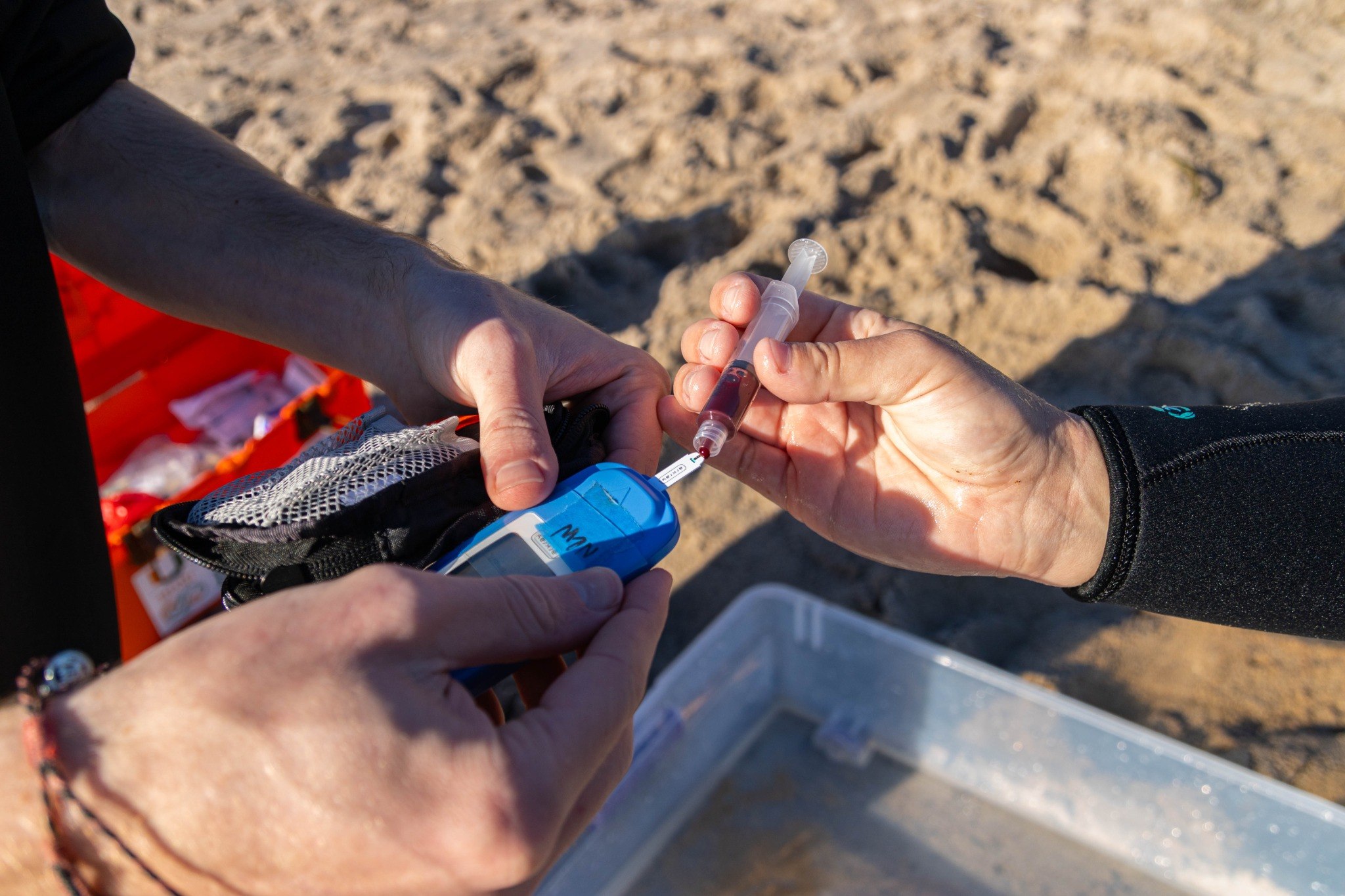
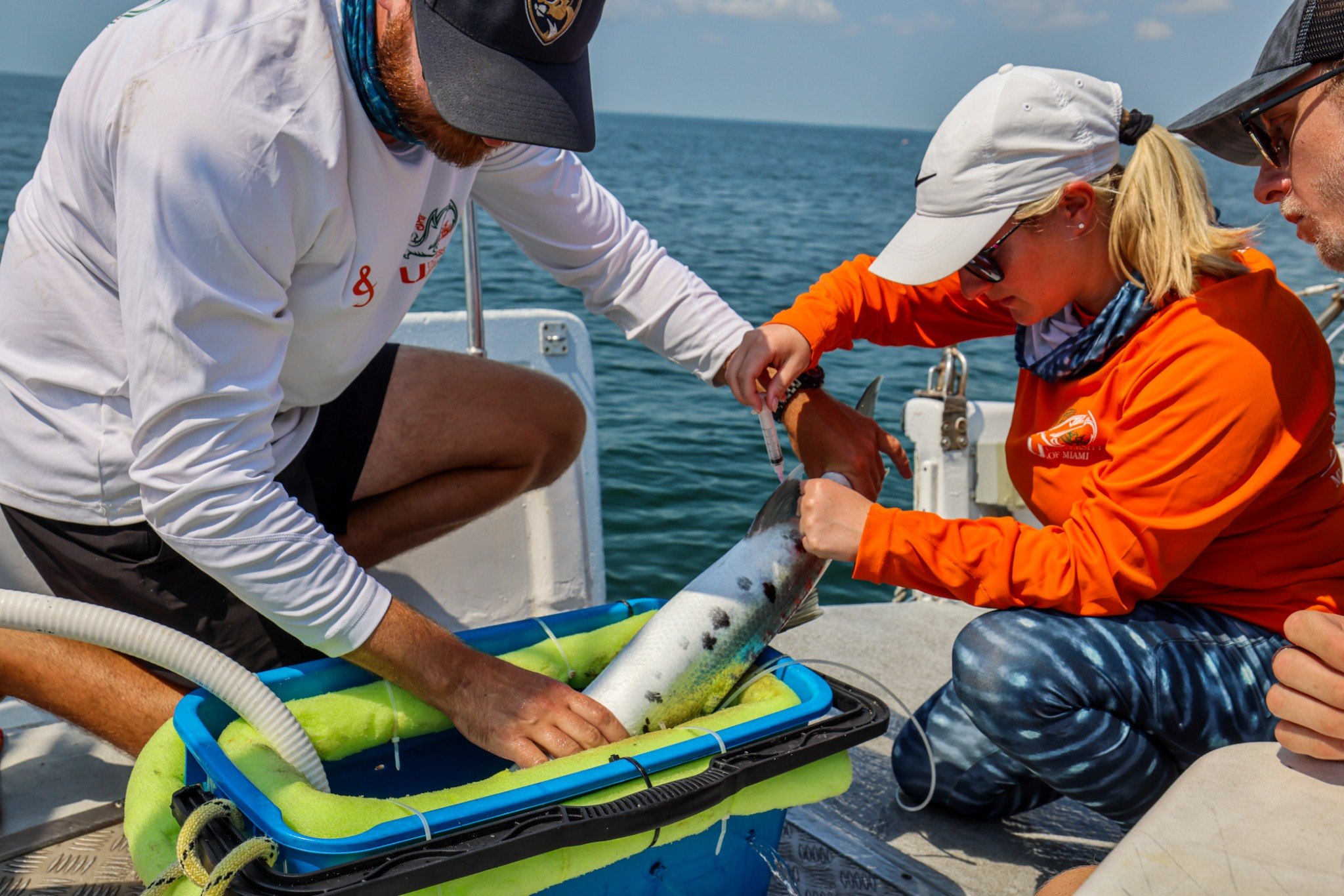
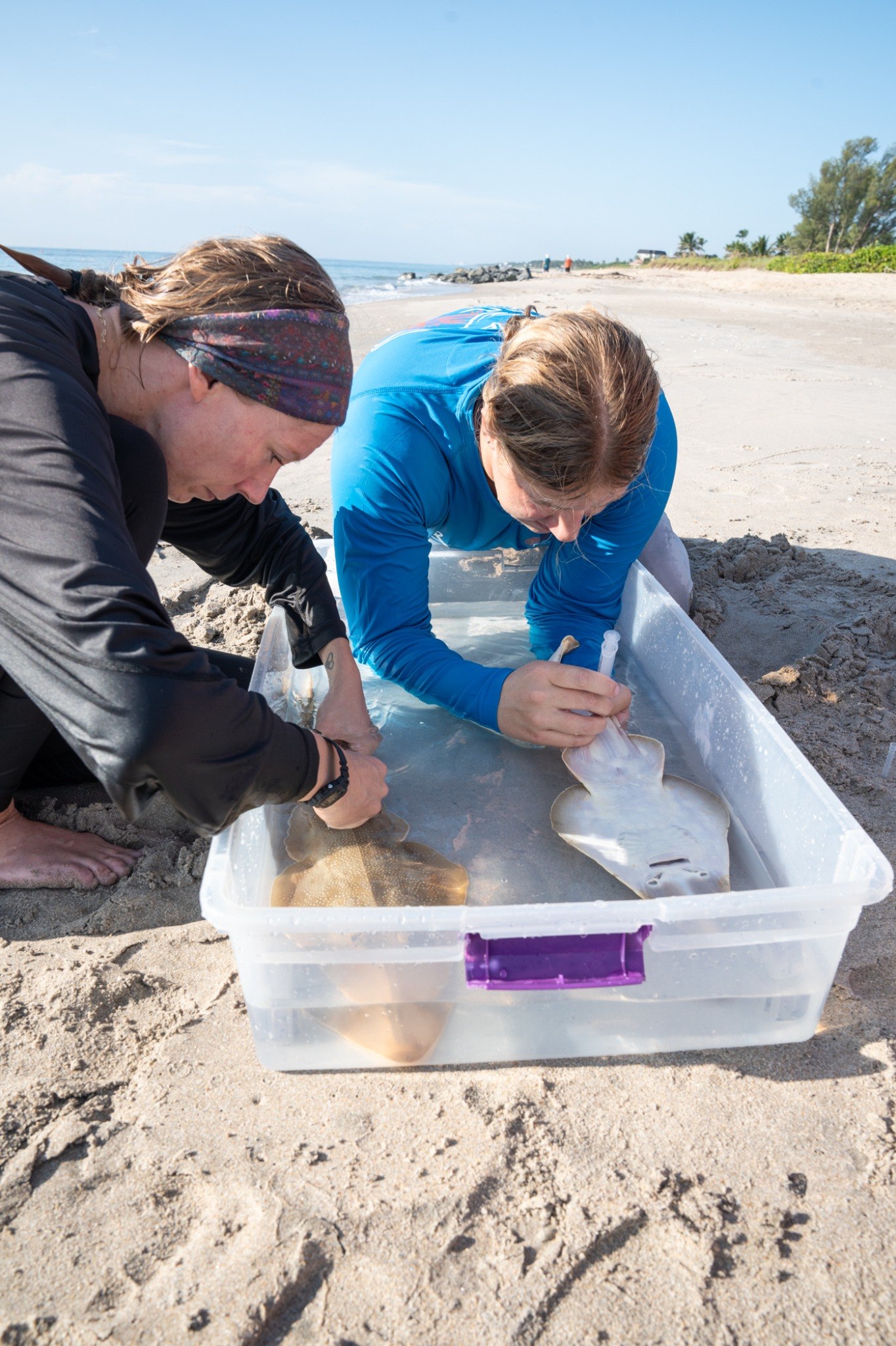
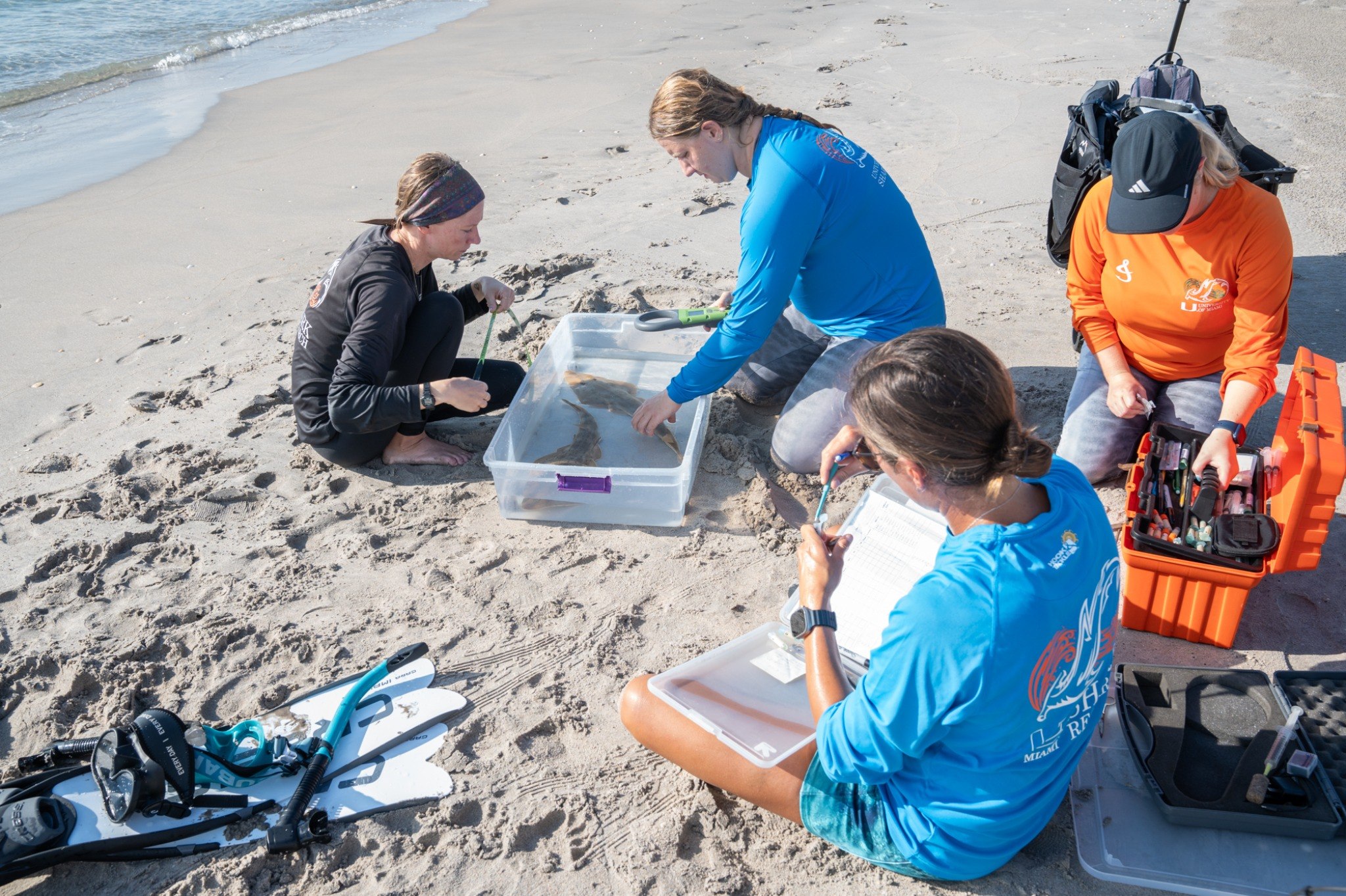
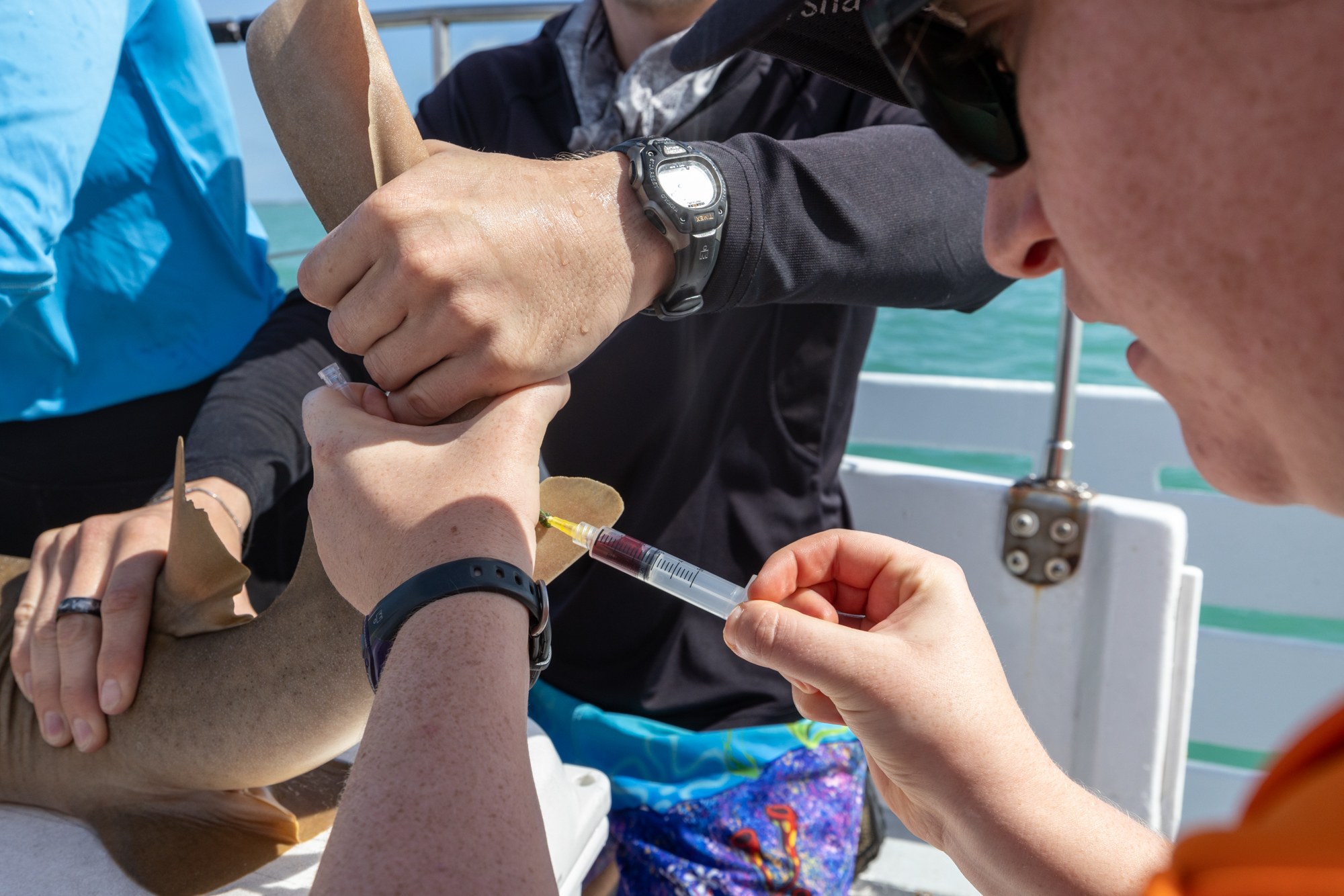
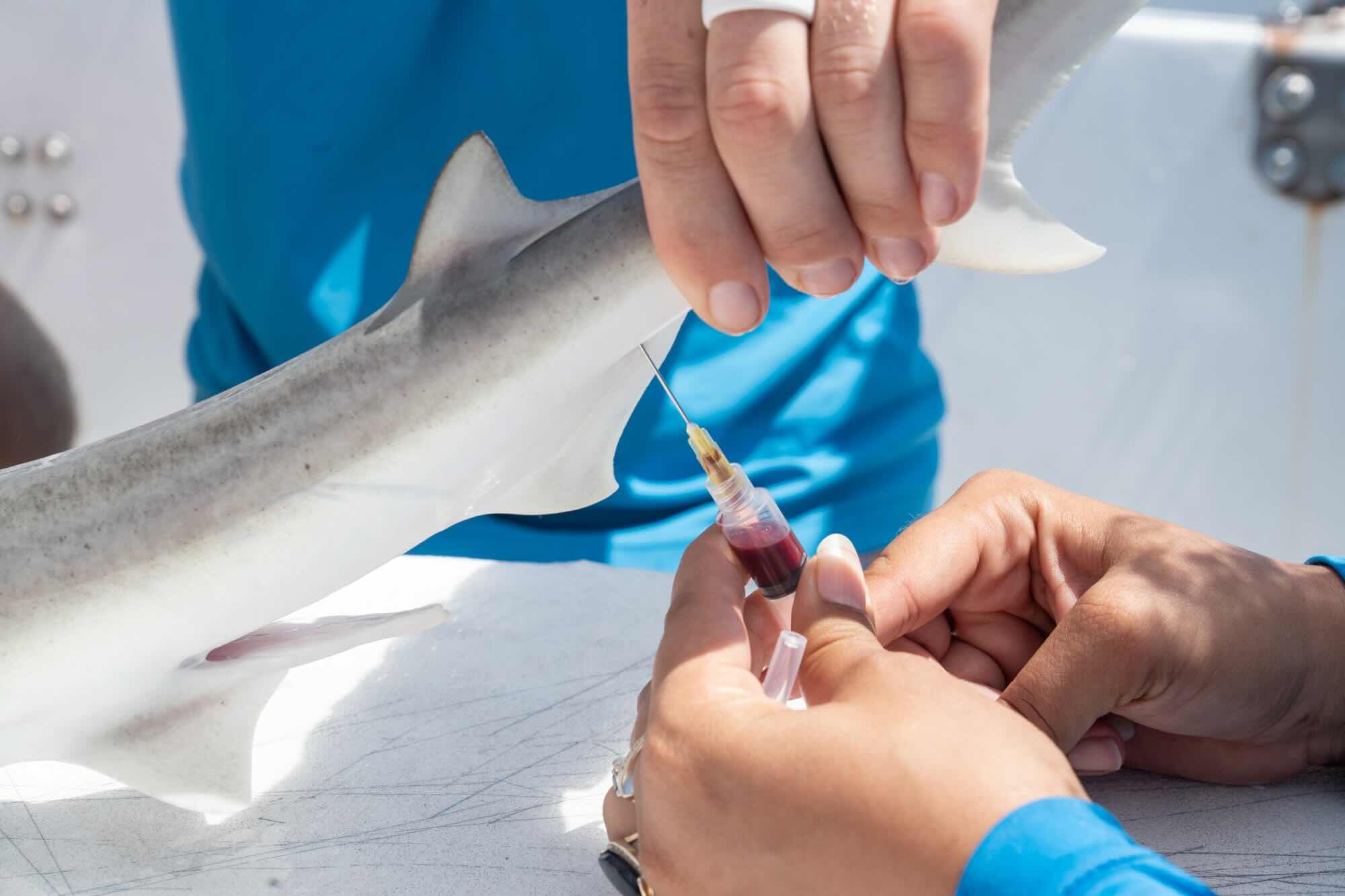

 Catch and release practices are growing in popularity worldwide, and data from this project will be used to determine which fishing methods and guidelines are most sustainable for various species. Furthermore, as protective measures for sharks increase, this project will help identify previously overlooked sources of loss or mortality, thus strengthening future decision-making.